FVG Positioning Average
 By LuxAlgoApr 16, 2024
FVG Positioning Average is an indicator on Vela, our next-generation charting platform, written in Pine Script®.
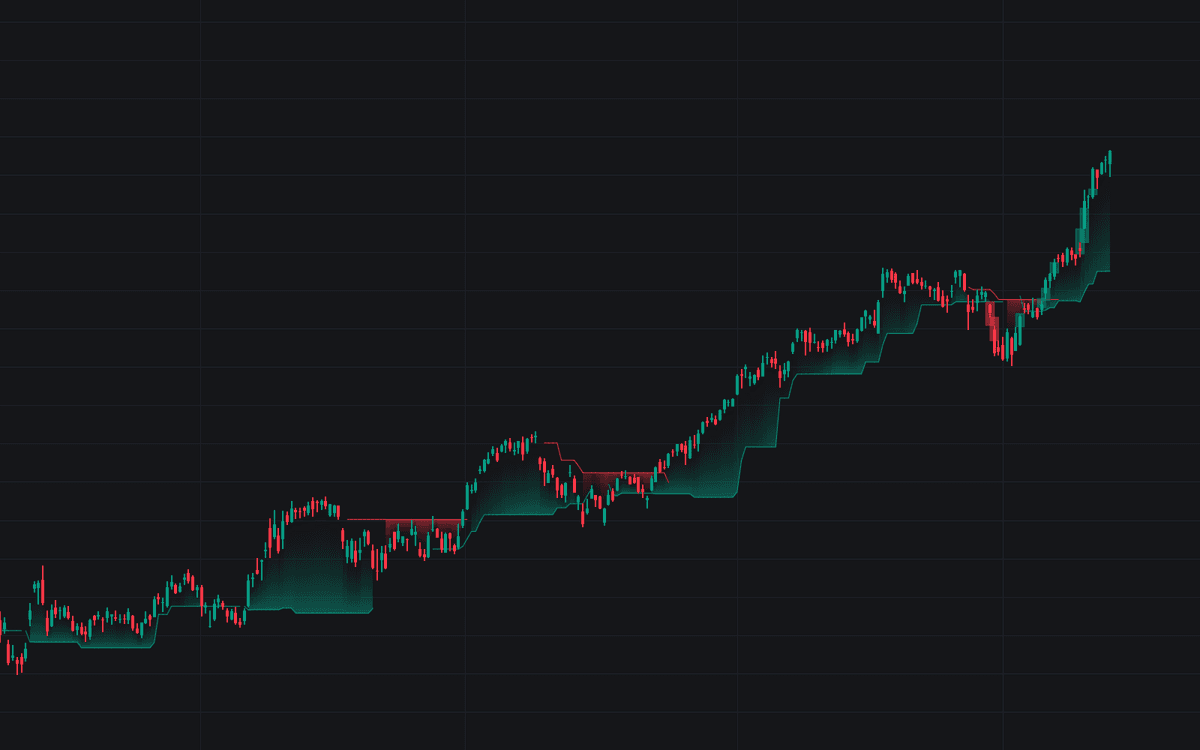

The FVG Positioning Average estimates where significant participants are positioned by averaging the initiation prices of recent fair value gaps, the last levels traded before each imbalance opened. Because forceful buying or selling is what creates a gap, those averages act as a footprint of that activity, plotted as a Bull Average and a Bear Average.
How to Trade the FVG Positioning Average?
- Bull Average: visible while price holds above it, a level buyers are expected to defend for the uptrend to stay intact.
- Bear Average: visible while price holds below it, the mirror-image ceiling in downtrends.
- One average alone: marks a clear dynamic support or resistance line for the prevailing trend, a reference for entries, exits, and stop placement.
- Both averages visible: buyers and sellers are competing for control. Watch for continuation after weak counter-attempts, a reversal if a new level gets established, or consolidation while price oscillates between the two lines.
Initiation levels are precise by design: a bullish gap's initiation is its lowest point (the base), a bearish gap's is its highest (the peak). Every gap feeding the current averages can be displayed on the chart for reference and hidden through the "Show FVGs on Chart" toggle.
FVG Positioning Average Settings
- FVG Lookback: how much history feeds the averages, counted in bars or in gaps depending on the lookback type.
- Lookback Type: "Bar Count" keeps the averages tied to the recent chart window (lines hide when no qualifying gap falls inside it), while "FVG Count" always uses a set number of gaps for a continuous, longer-term view.
- ATR Multiplier: a gap must be wider than ATR times this value to count, focusing the calculation on meaningful imbalances.
Frequently Asked Questions
Free to use
Run it on Vela. Go further with a paid plan.
- Up to 500 strategy alerts, with webhook automation
- Up to 10× the chart history of Free
- Orderflow lookback up to full history
- More Quant usage to customize it, plus extra usage when you need it
- Futures data alongside crypto, stocks, forex and commodities
Also works on

Related indicators
All 39 Fair Value Gap indicators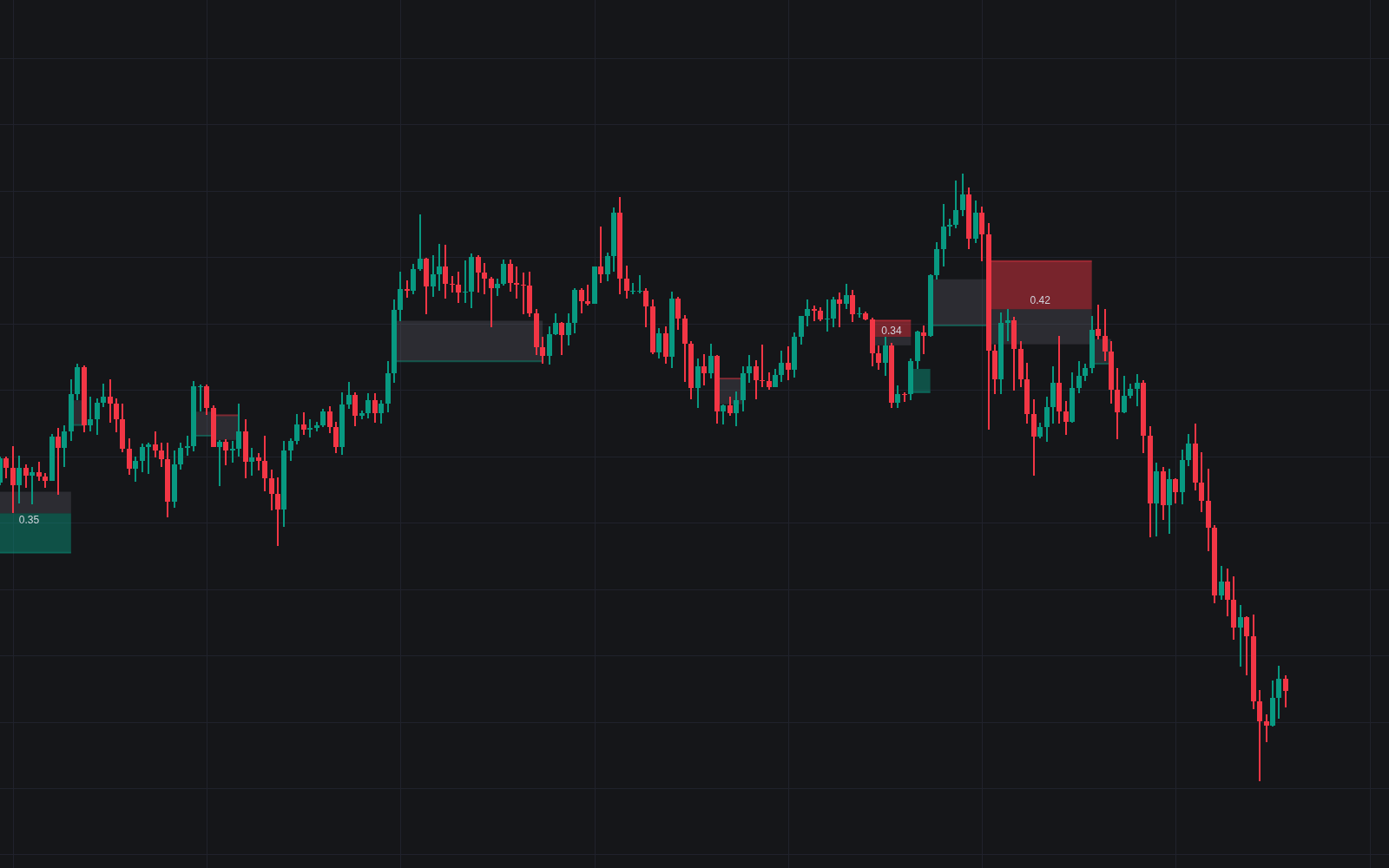
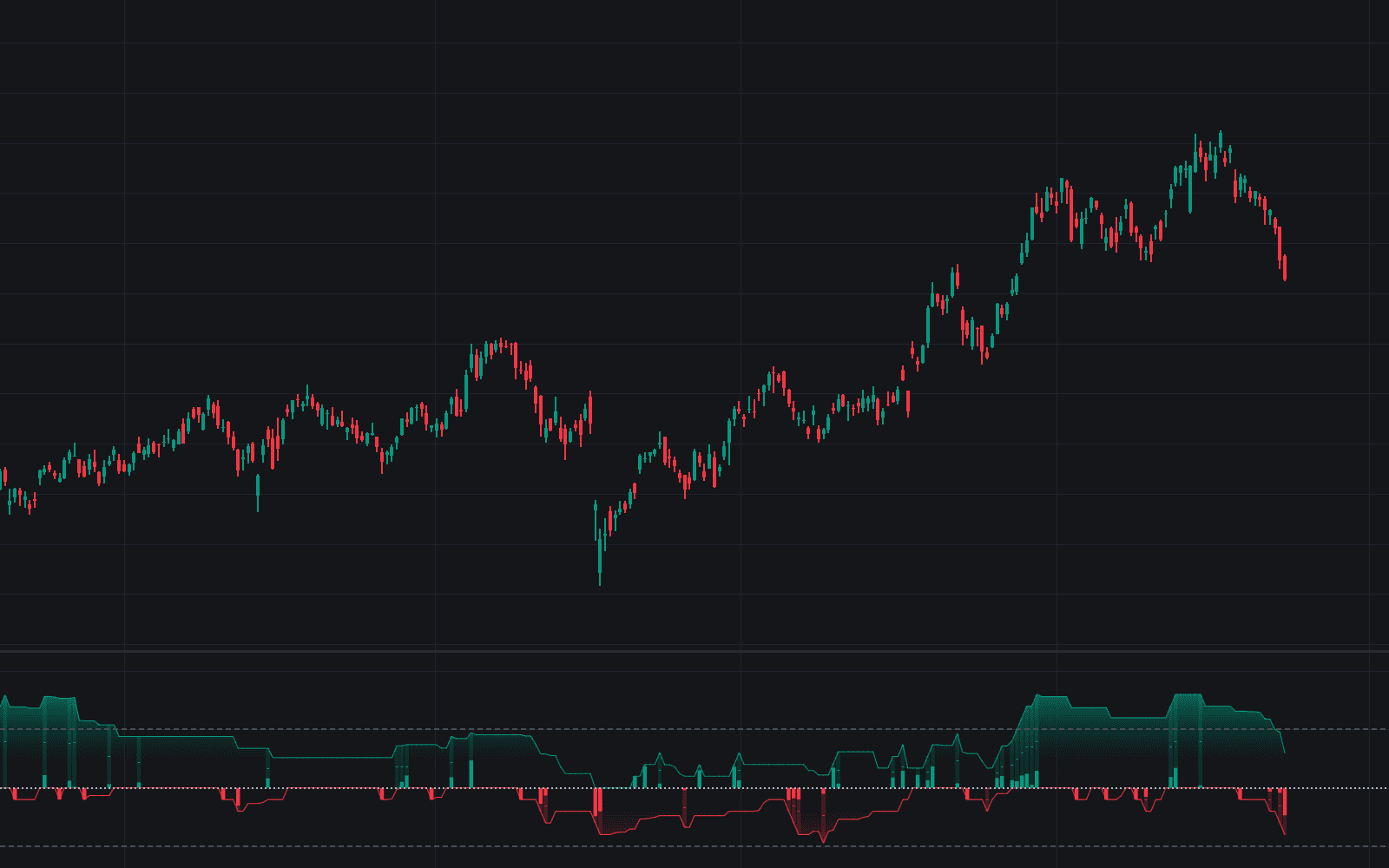
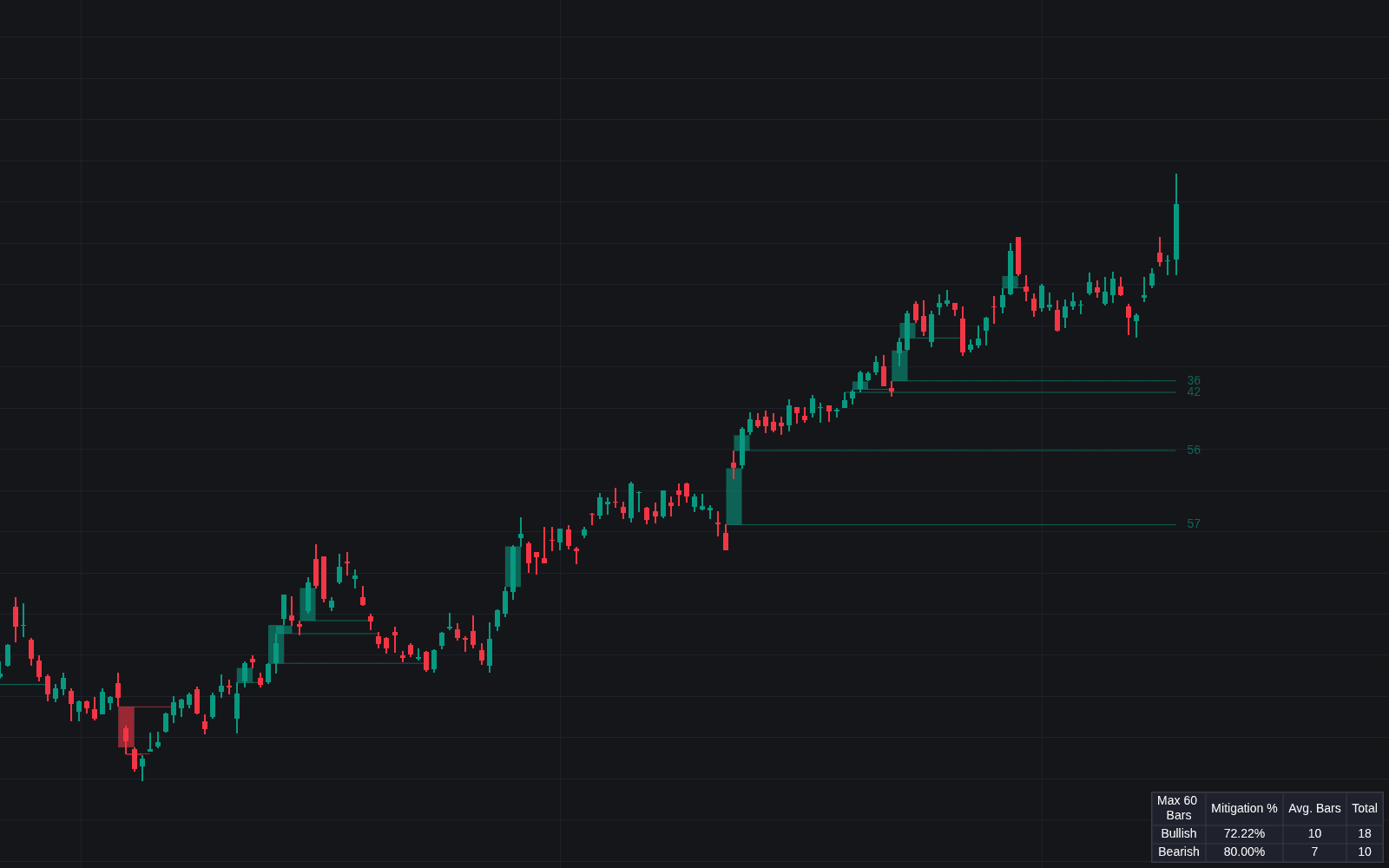
Run it on Vela. Make it yours with Quant.
Open this indicator free on Vela, our next-generation charting platform. Then ask Quant, our coding agent built into Vela, to retune it or turn it into a backtested strategy of your own.