Massive Leaps in Quantum Computing & AI
The tech landscape shifted dramatically today as both quantum computing and AI were marked by huge leaps forward. These fields are not just advancing independently, they’re on the verge of reshaping humanity as we know it. Let’s take a look at what came out and their implications for industry giants representing trillions of dollars in market cap.
Google Breaks Quantum Computing Boundaries
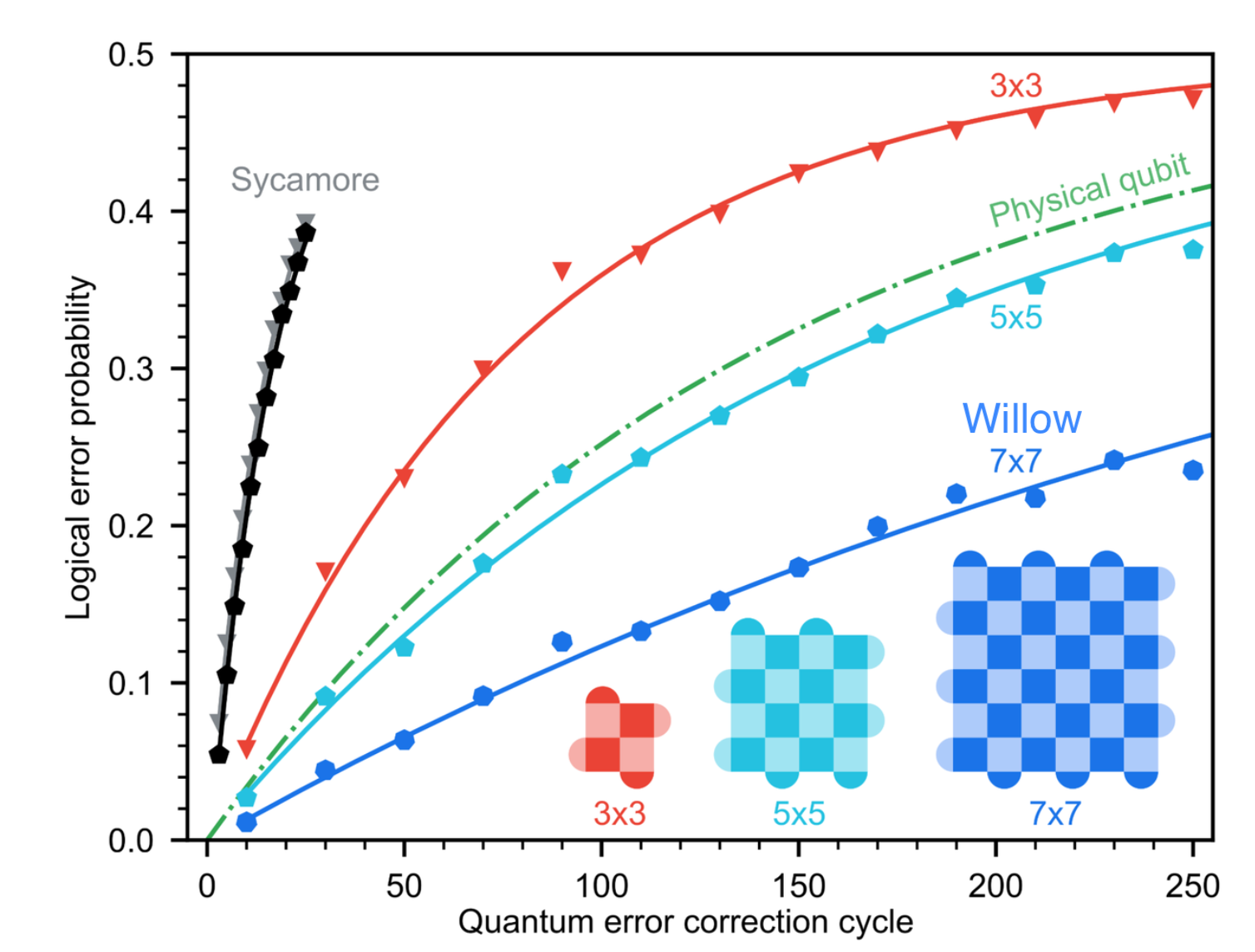
Google’s (Tickers: GOOG, GOOGL) Quantum AI lab announced milestones achieved by their project “Willow,” a quantum chip that demonstrated groundbreaking error correction and speed capabilities. Unlike classical computers that process bits as 0s or 1s, quantum computers use qubits. These qubits leverage phenomena like superposition and entanglement to process information in ways classical systems simply cannot. This enables quantum machines to tackle problems like optimization and simulation exponentially faster than current technology. Today's results have impacts not just in chip technology, but also theoretical physics.
OpenAI Takes Sora Text-to-video Generator Public
On the same day OpenAI’s Sora platform is pushing the boundaries of creativity with the public release of its text-to-video technology. Sora creates any manner of video clips generated from a prompt. While still refining its capabilities, Sora could become a pivotal tool for industries like entertainment, advertising, and others. Sora's widespread availability will immediately change the digital world and software ecosystems.

Who Stands to Lose (Or Win)?
Nvidia (Ticker: NVDA), the reigning leader in AI chips, has a strong moat thanks to the use of its proprietary CUDA API in AI tasks, and Google is potentially years away from producing revenue with quantum computing. While quantum computing may seem like a competitor, it may end up as more of an accelerant. Quantum computers will need classical supercomputers, powered by chips like Nvidia’s, for pre- and post-processing tasks. Additionally, platforms like Sora are already driving unprecedented demand for GPUs, reinforcing Nvidia’s dominance.
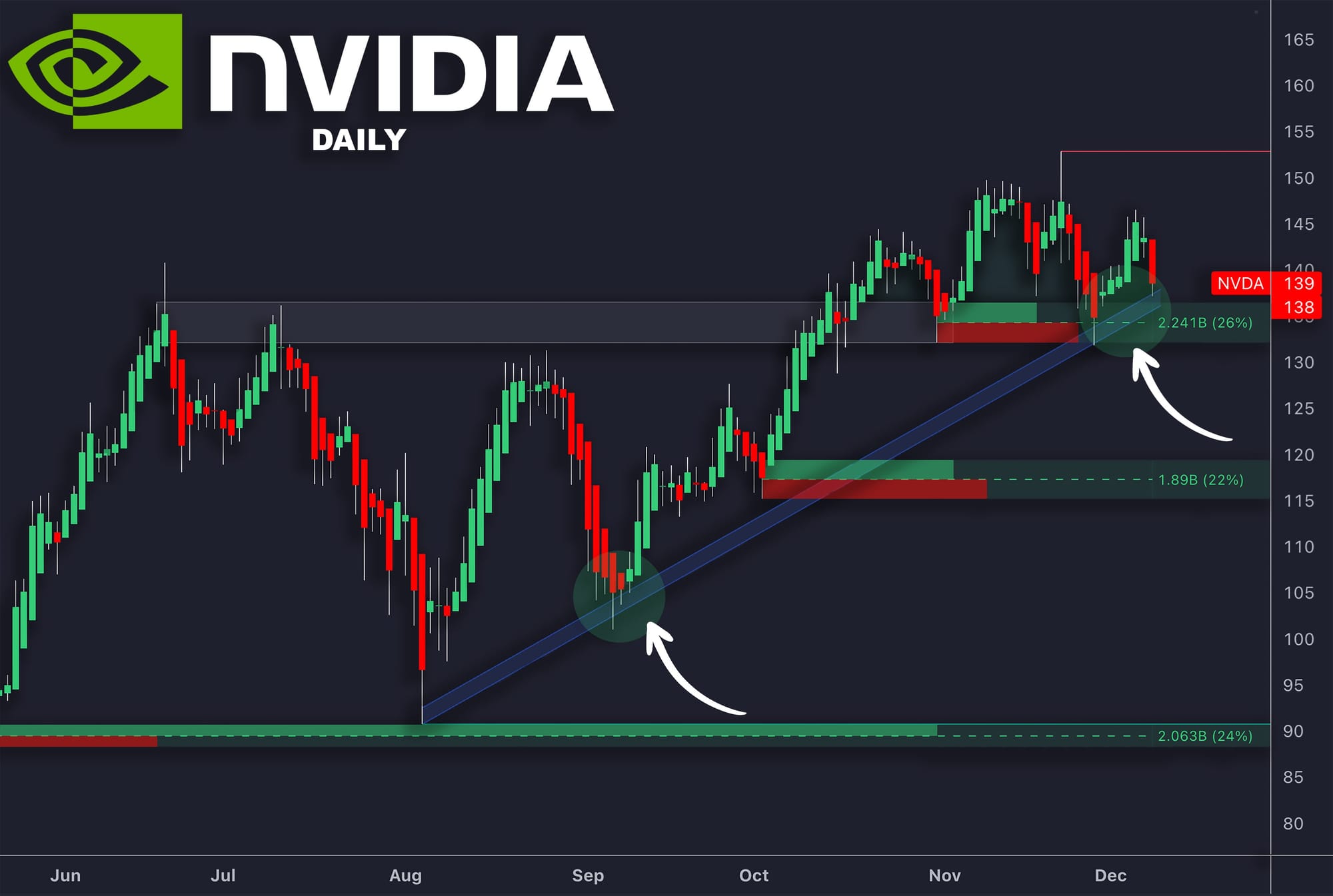
But there’s a twist. As quantum computing scales, it could eventually reduce the reliance on classical GPUs for certain AI workloads. The convergence of quantum computing and AI is not just about faster processors or smarter algorithms; it’s about changing everything– from healthcare to creative industries. While quantum computing unlocks the vast potential of physics and material science, adoption of more accessible AI applications like Sora transforms how we work and interact with reality.
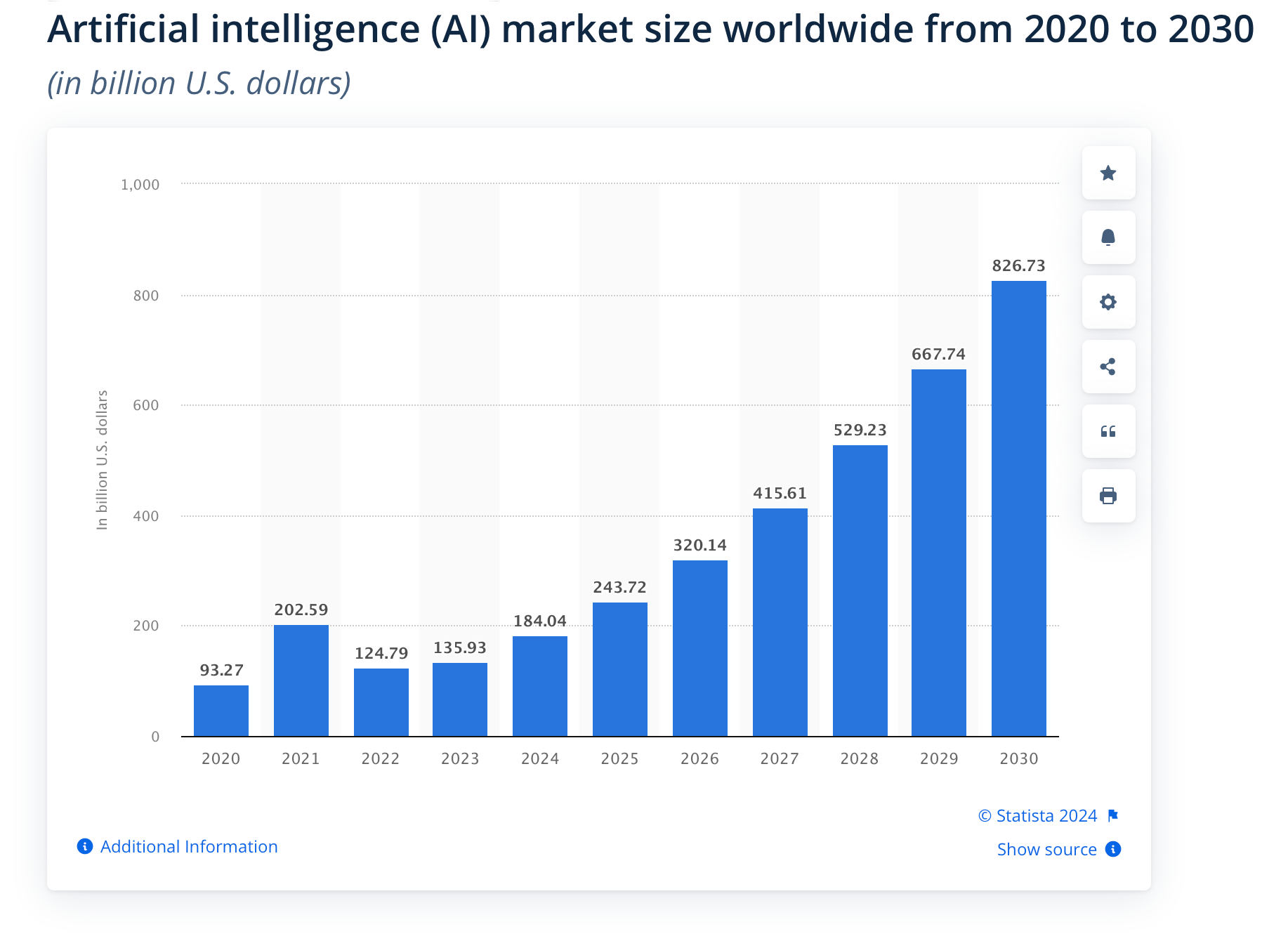
The AI market at large, currently valued at $184 billion, is expected to surge to $826 billion by 2030, driven by accelerating advancements in technology. Quantum computing and platforms like Sora are pushing AI’s capabilities, unlocking new applications and markets. Nvidia, already a leader in AI chips, could benefit from this explosive growth as demand for powerful hardware continues to rise, but it remains to be seen how much of this exploding market Google (and other quantum computing solutions) can capture.
Read next