Balance of Power
 By LuxAlgoApr 13, 2020
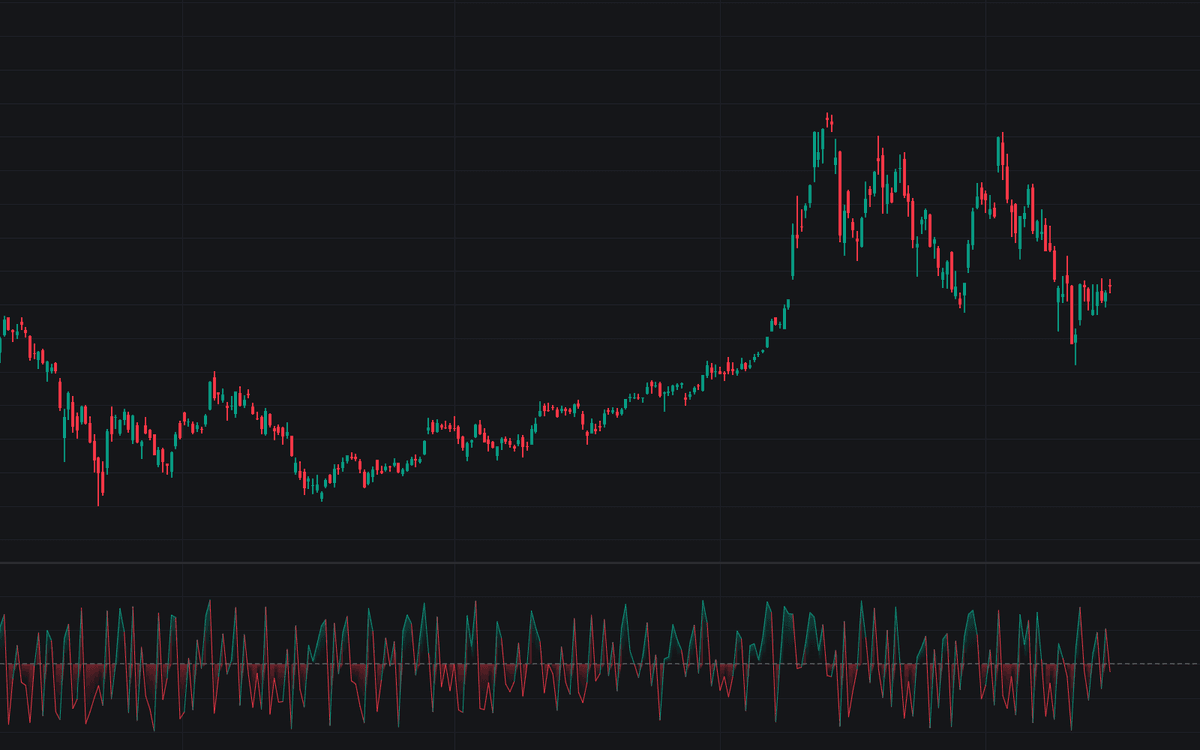

Balance of Power grades which side controlled each candle, dividing the close-minus-open distance by the bar's full high-low range for a bounded reading between -1 and +1. A bar that runs open-at-low to close-at-high prints +1; one finishing back at its open prints 0 however far it ranged. Grading each bar against its own range keeps the scale steady across volatility regimes, using nothing but price. The build plots the standard raw series by default, with an optional simple moving average for regime reading, nothing more.
How to Trade the Balance of Power?
- Smoothed BOP holding above zero: buyers keep winning the closes bar after bar, a persistent-control regime favoring the long side. Below zero, the mirror read.
- Zero-line crossings of the smoothed series: control changing hands; expect whipsaw whenever the line hovers near zero in rotational conditions.
- Raw BOP near +1 on a breakout bar: the session finished at full strength instead of fading into a wick, a useful entry-bar filter, though it says nothing about follow-through.
- New price highs while smoothed BOP sinks toward zero: each push is being won by a thinner margin, a divergence worth respecting.
The raw series changes character bar to bar, so regimes are read on the smoothed line while the raw value serves as a per-bar filter. The Zero Cross Up and Zero Cross Down alert conditions track whichever series is plotted, raw or smoothed.
Balance of Power Settings
- Smoothing (default disabled): replaces the raw single-bar value with a simple moving average of it, from who won each bar to which side has been winning lately.
- Length (default 14): the averaging window when smoothing is enabled. Shorter flips regimes quickly and noisily, longer holds a steadier but later verdict.
Frequently Asked Questions

The Library is free. Quant makes it yours.
Pull any concept or indicator into Quant: rebuild it, retune it, or turn it into a backtested strategy of your own.