Concept
Common Gap
Common Gap is a Chart & Candlestick Patterns concept. The Library holds 1 implementation, a working definition you can pull into Quant.
Top Common Gap indicator
The top custom implementation, built on the original standard Common Gap formula.
1 total
The Common Gap implementation below can become a backtested trading strategy — describe your rules and Quant writes the code.
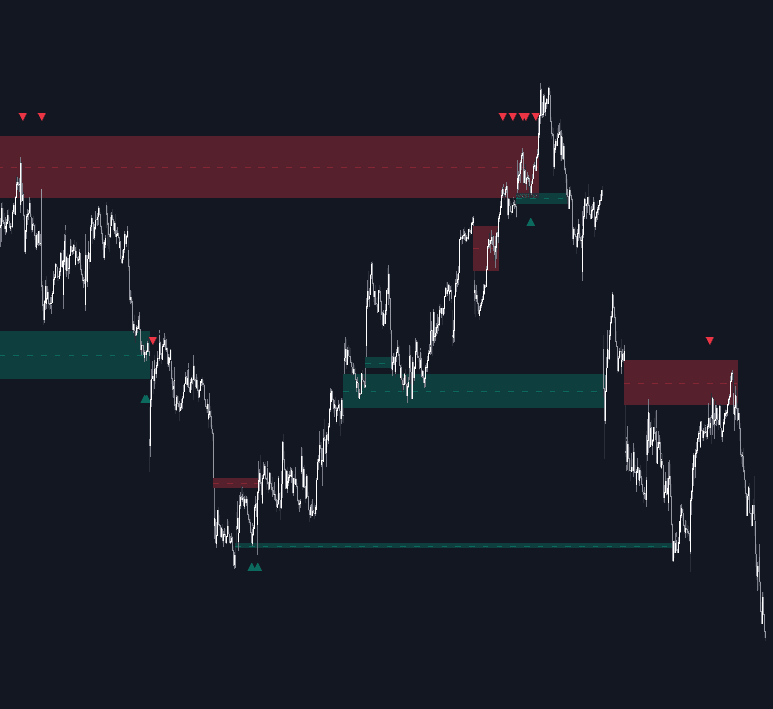
What is a Common Gap?
A common gap (also called an area or pattern gap) is the unremarkable member of the classical gap taxonomy: it opens inside an established trading range or a still-forming pattern, on unexceptional volume, without breaking any structural boundary. In candlestick vocabulary any gap, this one included, is called a rising or falling window; the term does not distinguish gap types. Because nothing about the auction changed, the classical expectation is that it fills quickly and carries little forecasting weight.
The four-part taxonomy, common, breakaway, runaway, exhaustion, comes from the classical bar-charting literature, where gap classification was a standard chapter by mid-century. The common gap is the taxonomy's baseline case, and its practical purpose is discipline: most gaps in most instruments are common, and the classification exists to stop traders from reading every open beyond the prior bar as the start of something.
The label is partly retrospective. A gap earns 'common' from where it occurs (inside structure) and from what fails to follow it (no volume expansion, no follow-through). It functions as the null hypothesis of gap analysis: the classification a gap keeps until location, volume, or continuation argue for breakaway, runaway, or exhaustion instead.
Market structure decides how much work the concept gets. Cash equities gap at nearly every open, so common-gap bookkeeping (and the fill statistics that go with it) is a daily affair there; futures gap across session boundaries and weekends; and 24-hour crypto barely gaps at all except around venue outages and weekly candles on some platforms. Wherever they occur, unfilled common gaps leave small reference edges inside the range, minor cousins of the levels the gap-fill playbook tracks.
How to identify a common gap
The classification is location plus evidence, applied with a willingness to re-label.
- 1Locate the gap relative to structure: a common gap opens inside an established range or pattern, breaking no boundary.
- 2Check the volume: unexceptional turnover on the gap session supports the common label; expansion argues for something else.
- 3Watch the first sessions for follow-through: drift and quick retracement fit the label, while sustained continuation contradicts it.
- 4Treat the fill as the base case, price returning through the window, and note how routinely the instrument fills such gaps historically.
- 5Keep the label provisional: a 'common' gap that refuses to fill while participation builds should be re-read as a breakaway in progress.
- 6Until filled, mark the gap's edges as minor intraday references inside the range.
How traders use it
- Fill-side trades: because a common gap sits inside a range with no new commitment behind it, traders treat the gap fill as the base case and fade back toward the window.
- As a discipline filter: classifying a gap as common prevents treating every gap open as a breakout signal, which matters in instruments that gap routinely.
- Minor level bookkeeping: until filled, the gap's edges serve as small intraday references inside the range.
- As statistics per instrument: fill frequency and typical fill time differ enough across symbols that gap-fade systems maintain per-instrument base rates rather than one universal assumption.
- In scanner taxonomies: automated gap classifiers route each open by location and volume, sending common gaps to fade playbooks and boundary-breaking gaps to continuation ones, with misclassification handled by the follow-through rules.
Common Gap vs related gap concepts
Gap Fill: The gap fill is the event, price re-trading the skipped span; the common gap is the classification that makes the fill the expected outcome. Fill statistics are the bridge between them, turning the classical expectation into per-instrument base rates.
Candlestick Patterns: Candlestick vocabulary files every gap under rising and falling windows and reads them as support and resistance zones. The Western taxonomy splits gaps by role in the trend; the two systems overlap on the chart and differ in what they claim.
Concept family
Chart & Candlestick Patterns
84 concepts mapped · 84 in the Library
Common Gap FAQ
Turn Common Gap into a trading strategy.
Take the implementation from this page into Quant, then build on it, backtest it on real data, and keep refining it in conversation.